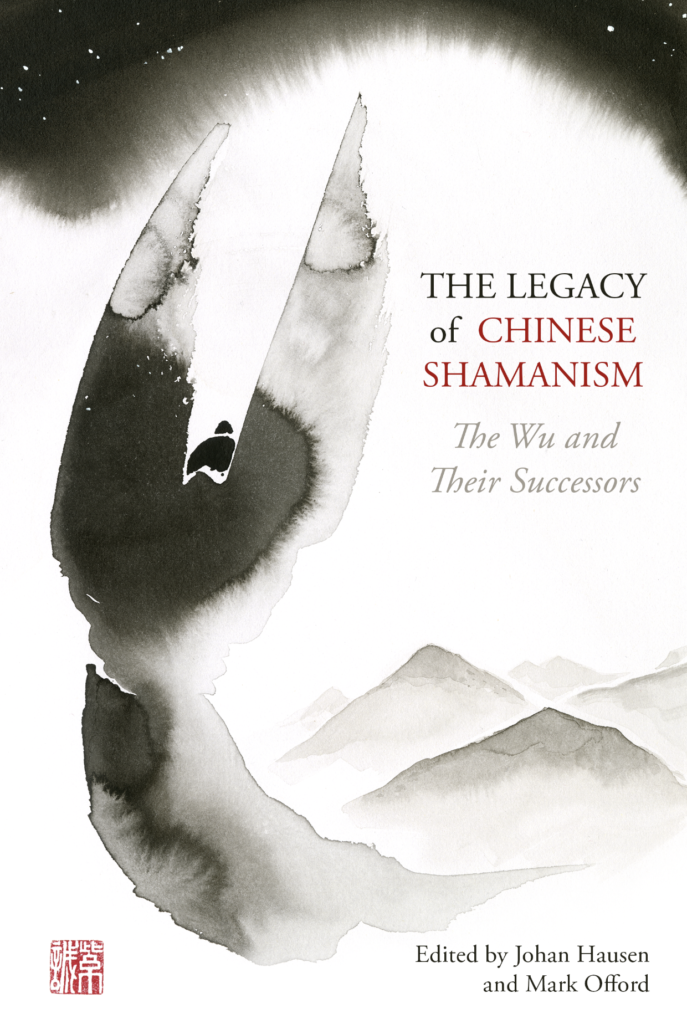
The Chinese Wu, often characterized as ‘shamans’, have been a major force in China’s history and culture. From the early dynasties, where they played a key role, they underwent a gradual process of marginalization and suppression yet continued to remain a vital presence in Chinese society right up to the present day, in which they are enjoying something of a renaissance. Devoted to the community, Wu of both genders were involved in numerous aspects of social life, including healing, divination, state ritual, exorcism, rain dances, and ancestral, fertility, and funerary rites. Despite this centrality, however, this volume is remarkably the first collection of essays by leading scholars to be focused on the Wu, and the first book to consider the phenomenon in its full historical breadth and diversity. The wu have also been a source of lively debate and controversy, to which this book bears eloquent witness. Can the Wu even be called shamans, and if not, what are they? What was the extent and status of their social role in early China? How penetrating was their far-reaching influence on Chinese art, culture, medicine, and religious practices? The textual evidence for the Wu is often cryptic and elliptical, and the essays in this volume make a fresh contribution to shedding light on the Wu as a fascinating enigma. Compendious in scope, this interdisciplinary collection of fourteen essays draws on a broad range of expertise from many of the most renowned authorities in the field, bringing together scholars of decades-long standing with new or more recent voices. The Wu are considered in relation to topics such as gender, comparative ethnography, archaeology, the history of Chinese medicine, and the anthropology of contemporary Wu ritual in Hong Kong, Taiwan, and Singapore, as well as the influence of the Wu on Chinese theatre, poetry (such as the famous Songs of Chu), Daoist and Ruist (Confucian) practices, and the widespread Chinese theme of the cosmic and magical journey. The Legacy of Chinese Shamanism – Table of Content The Legacy of Chinese Shamanism – Sample
You may also like…
-
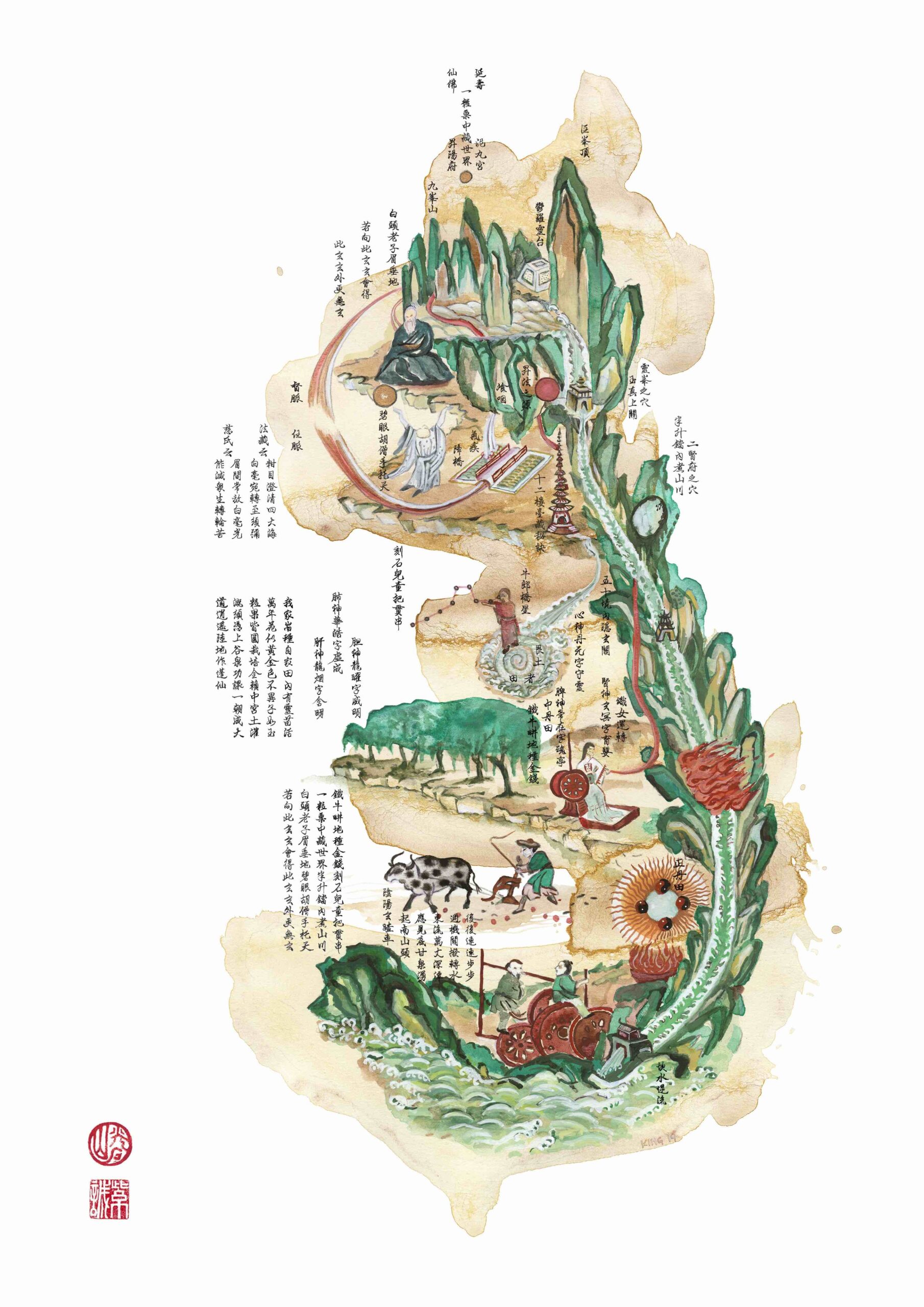
Primer for Translating Daoist Literature
$ 37.80 This product has multiple variants. The options may be chosen on the product page -
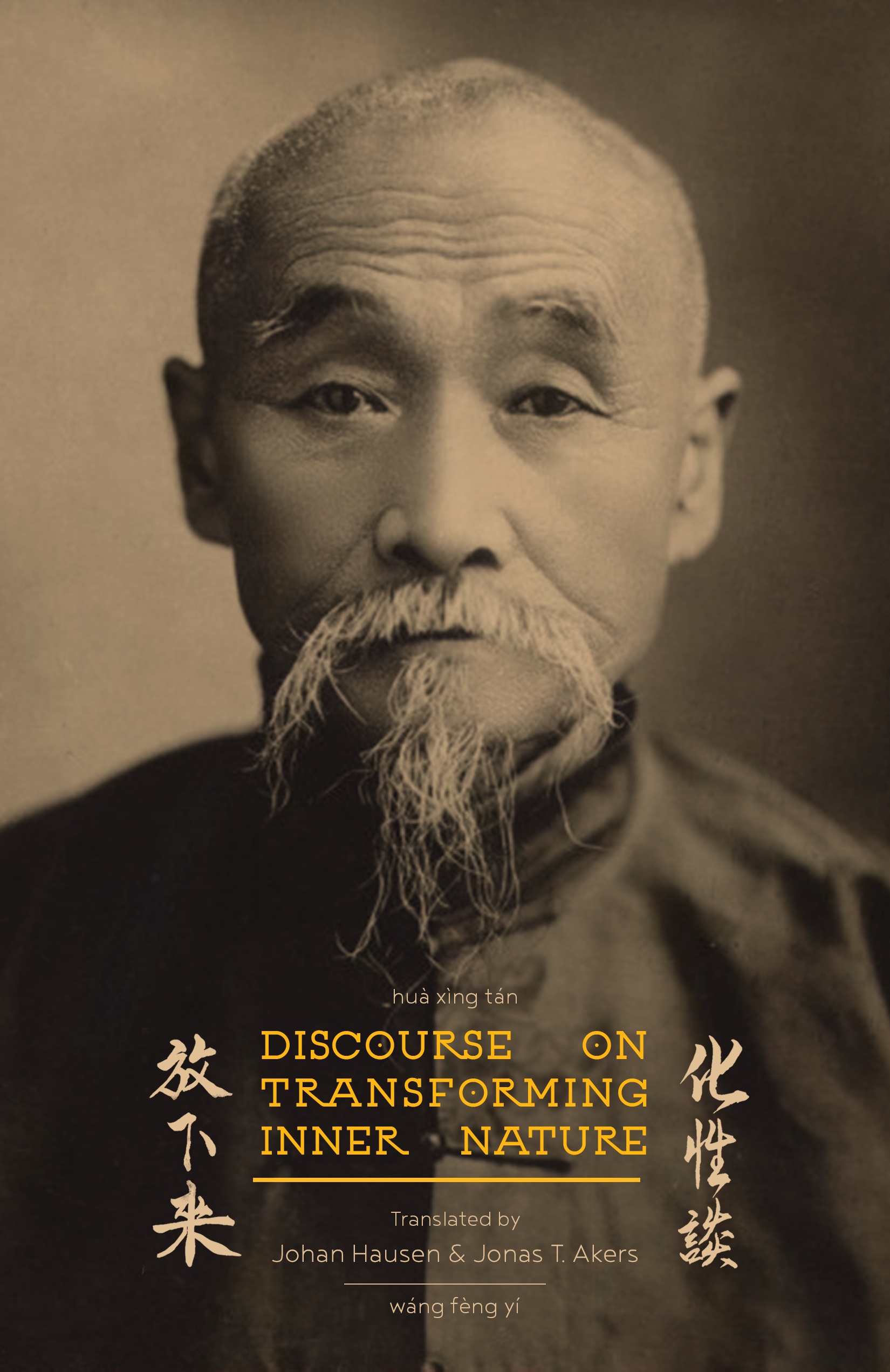
Legends of White Horse Mountain
$ 21.60 This product has multiple variants. The options may be chosen on the product page
Related Products
-
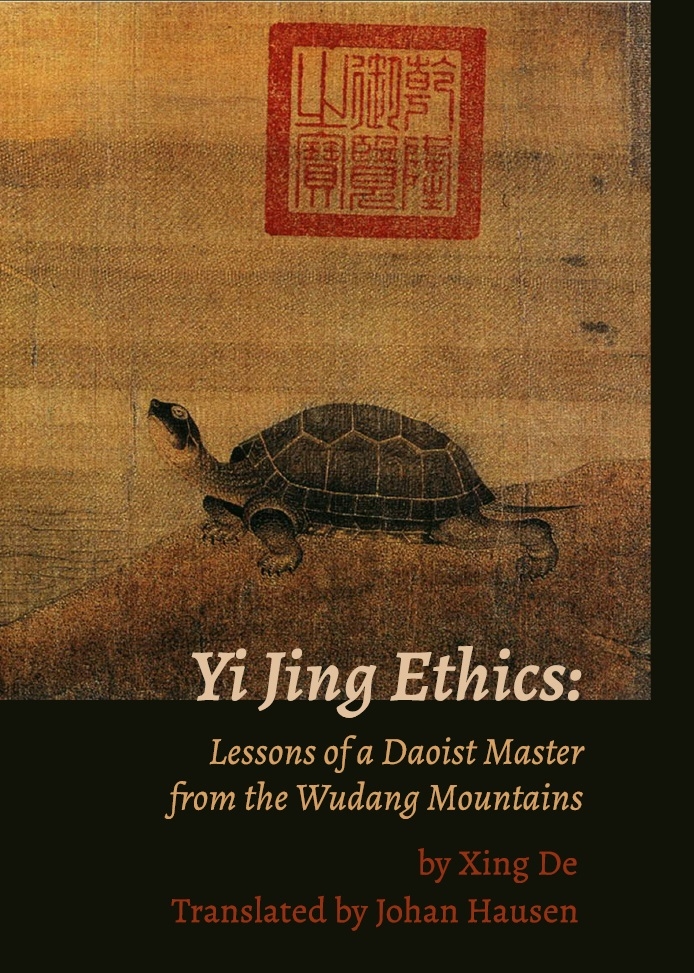
Yi Jing Ethics: Lessons of a Daoist Master from the Wudang Mountains
$ 10.80 This product has multiple variants. The options may be chosen on the product page